
Best Practices for Ordering Road Salt Early
Winter arrives without warning, bringing lots of snow and ice. During these situations, salt plays a key role in maintaining roads, sidewalks, and parking lots safe and accessible. Road salt is now a mandatory product for municipalities, snow removal contractors, and property owners. So, ordering bulk road salt in advance is important to keep you prepared, safe, control costs, and maintain peace of mind when a sudden winter storm arrives. In this article, we will explore best practices for ordering road salt early. Let’s get started!
Why Road Salt Is Critical for Winter Safety
Road salt prevents ice formation or melts ice more quickly by lowering the freezing point of water. This simple chemical reaction plays a major role in winter safety. Without proper salting, roads, sidewalks, and parking lots become risky and liability zones. Emergency vehicles need salt-treated roads to respond immediately. Businesses need safe access for customers and employees. Also, municipalities rely on treated roads to maintain smooth daily life operations even during challenging winter conditions.
The Hidden Risks of Last-Minute Purchasing
Waiting until winter arrives to buy salt can be stressful, challenging, and expensive. Most suppliers are raising bulk salt prices due to rising demand. Sometimes, the inventory may be shrinking, and delivery may take longer than usual. Sometimes customers receive less salt than they ordered due to unavailability. Ordering in advance helps avoid shortages and ensures you do not overpay during high-demand periods.
Understanding the Road Salt Supply Chain
Where Road Salt Comes From
Usually, road salt is manufactured in two ways: underground salt mining and evaporation of seawater in salt pans. Each has its own set of pros and cons, which can affect the availability of bulk salt during the winter months.
Mining vs. Solar Evaporation Salt
Mined salt is generally extracted from the underground salt deposits. This is a better way to maintain a consistent salt supply and is preferred for sourcing salt in colder climates. On the other hand, solar evaporation depends on the climatic conditions to source salt. As this process depends solely on weather conditions, you may observe slight year-to-year differences. It is important to know where your salt is sourced to predict salt shortages and plan accordingly.
Seasonal Demand and Market Volatility
Demand for road salt increases after the first snowfall. There will be transportation delays, limited mining output, labour shortages and high fuel prices, which can disturb the supply chain. When demand exceeds supply, prices rise immediately. Ordering in advance can help you avoid price changes and secure a reliable supply before winter begins.
Benefits of Ordering Road Salt Early
Cost Savings and Price Stability
If you order your bulk salt early, then you don’t have to worry about the cost. Usually, preseason prices are lower than peak winter prices. Most suppliers offer discounts during the off-season, which is a great way to save money. By locking in rates before winter arrives, you can protect yourself from unexpected price hikes caused by shortages or emergency demand.
Guaranteed Availability During Peak Winter
When winter storms arrive back-to-back, suppliers prioritize customers who planned ahead. Early buyers are far more likely to have their salt delivered on time—or already stored on-site—while late buyers scramble to find available inventory. Having a guaranteed supply during peak winter conditions offers peace of mind and operational continuity.
Reduced Stress and Better Planning
Early ordering lets you plan winter management rather than last-minute rushes. You can focus on transportation, equipment, and salt application strategies rather than on finding suppliers during winter storms. Less stress means better decisions and better results.
When Is the Best Time to Order Road Salt?
Ideal Ordering Windows
The ideal time to order bulk road salt is generally between late summer and late fall. During this period, suppliers will have ample inventory available, transportation will be smooth, and costs will be favourable. So, rather than waiting until winter arrives, it is best to book your bulk salt now to avoid risks.
Weather Forecasting and Historical Data
It’s better to have long-term weather forecasts and historical snowfall on hand to estimate the amount of salt you need for the season. Sometimes, weather forecasts are inaccurate. In such cases, combining the data with historical usage will help you determine how much to purchase without over- or under-buying.
Using Past Winters to Predict Future Needs
While planning for winter, it’s better to review past salt usage, as this is a reliable indicator of future requirements. So, if your area has experienced heavier snowfall before, you need to plan accordingly. Sometimes, weather patterns will repeat, so it’s better to plan accordingly.
How to Calculate the Right Amount of Road Salt
Assessing Property Size and Traffic Volume
The property’s size and use will significantly affect the need for road salt. Typically, large parking lots and high-traffic areas require more frequent salt application. Measuring the entire area and understanding traffic flow will help you order the right amount.
Average Usage Per Storm
Generally, one ton of salt covers 10,000 to 20,000 square feet. However, this may vary depending on weather conditions, ice, and application methods. If severe storms, heavy rain, or repeated freeze-thaw cycles occur, usage may increase.
Avoiding Overstocking and Shortages
Running out of salt during the peak winter season can pose serious safety hazards. In contrast, overstocking can lead to wasted storage space and money. You need to strike the right balance and order to withstand tough situations without piling up excess inventory.
Choosing the Right Type of Road Salt
Sodium Chloride vs. Treated Salt
Sodium chloride performs well above 15°F and is commonly used due to its affordability. Other types include treated salt, which has a coating that keeps it effective even at low temperatures and acts quickly, making it an ideal choice in severe cold climates.
Blended Deicers and Their Advantages
Blended deicers are similar to treated salt but combine regular sodium chloride with other materials to enhance performance and reduce bounce, thereby reducing waste. These blends need less application, thereby improving efficiency.
Environmental and Surface Considerations
Different salts affect concrete, metal, plants, and water in different ways. It is important to choose the right salt to minimize damage and maintain effectiveness.
Storage Best Practices for Early Orders
Indoor vs. Outdoor Storage
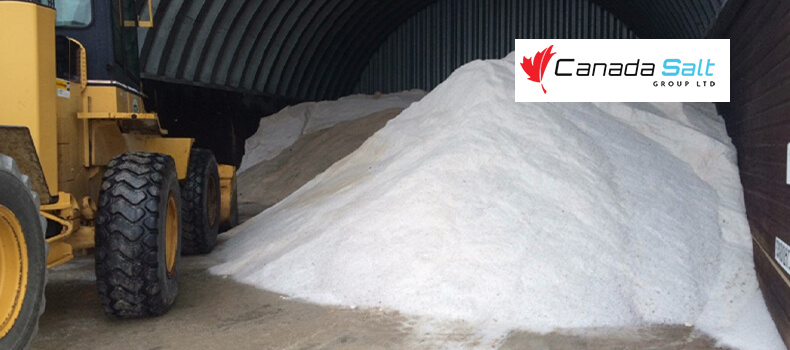
Bulk salt can be stored indoors or outdoors, depending on use and environmental conditions. To prevent moisture from seeping into the salt pile, indoor storage is the best option. But you can store it outside if you follow preventive measures. Their main aim is to maintain the salt dry and in place.
Moisture Control and Contamination Prevention
Salt absorbs water readily, leading to clumping and reduced effectiveness. Prevent this by storing the salt in a dry, covered area with proper drainage. Maintaining storage spaces clean and protected will prevent contamination, reduce waste, and ensure the salt remains effective.
Safety and Compliance Standards
Every municipality has its own rules and regulations for winter management and salt storage. Following them accordingly will prevent environmental damage and avoid hefty fines and safety risks.
Budgeting and Financial Planning
Locking in Prices Early
As discussed earlier, it’s better to plan for a bulk salt order before winter arrives. This prediction will help us create a sound budget for winter management and avoid overspending amid higher prices driven by demand.
Bulk Purchasing and Contract Options
Bulk salt purchases will lower per-ton costs. It’s better to sign a seasonal contract with the supplier in winter to ensure a reliable supply. These options will support long-term planning and cost control.
Working with Reliable Suppliers
Choose suppliers with a proven track record of reliable delivery, maintain adequate inventory levels, and respond promptly. It’s best to check reviews and testimonials to avoid last-minute surprises. Maintaining strong, long-term relationships is also important during salt shortages. Usually, businesses prefer long-term, regular relations when inventory is limited.
Use of Technology and Data in Salt Planning
Use digital inventory-tracking systems to monitor salt usage in real time, preventing shortages and overordering. When combined with weather data, teams can apply salt as needed, thereby improving efficiency and reducing operating costs.
Conclusion
Prior ordering of road salt is not only a best practice but also an added advantage. It not only saves money but also ensures safety and reduces stress during harsh winter conditions. With proper planning, winter planning becomes much easier. Plan your bulk road salt with Canada Salt Group Ltd for better pricing, guaranteed supply and reliable delivery. Contact us today for a free quote!