
Salt Storage: How to Prevent Loss, Contamination & Waste
Salt is the most important and useful commodity in our daily lives. We don’t think more about it until a problem arises. Salt, by nature, can attract water. It can clump, spill, and become dirty if left unused in storage. We are all aware of salt’s important role in history, wars, and economies, yet we don’t store it properly. So, why do we treat something so important as if it doesn’t even matter? In this article, we will learn about salt storage and how to prevent loss, contamination, and waste.
Why Salt Storage is Important
Salt storage is not about keeping it dry. It helps maintain quality, prevent contamination, reduce waste, and save money over time. Whether you are a home cook, own a restaurant, are a farmer, or run a facility, how you store salt directly affects its usability and lifespan. Poor salt storage can absorb moisture, attract bacteria and lead to wastage. So, with the right storage solution, these concerns can be easily avoided.
In today’s world of high prices and sustainability, wasting salt makes no sense. You don’t need any advanced equipment or storage conditions to store it properly. You need to understand the salt and follow simple storage practices.
Understanding Salt: Types, Properties, and Why Storage Matters
Salt is available in many types. Processing methods, mineral content, and their use all affect storage conditions. Knowing these differences is important for reducing salt waste.
Table Salt vs. Sea Salt vs. Rock Salt
Table salt is the salt commonly used in households and restaurants. It is one of the most refined salts and contains iodine and anti-caking agents. Despite the presence of all these chemicals, moisture can still cause the salt to clump.
Sea salt is less refined and produced by evaporation in salt pans. It has trace minerals that make the salt more easily attract moisture. Proper storage is important to prevent salt from becoming damp.
Rock salt is commonly used for deicing and water softening and is available in larger crystals. As a result, it may not clump as easily. However, it can be contaminated if stored in open areas.
Edible Salt vs. Industrial Salt
Edible salt is commonly referred to as food-grade salt. When used for consumption, it should be stored in a clean environment. Industrial salt is not meant for consumption, but it still needs to be stored in proper conditions. That doesn’t mean you can use the same storage for both the salts. Storing in the same storage methods can cause serious complications and should be avoided.
The Science Behind Salt Damage
Salt does not spoil and has a longer shelf life than most foods. This doesn’t mean that it cannot be damaged. Understanding the science behind salt damage is essential to understanding why proper storage is important.
Moisture Absorption and Caking
Salt absorbs water from its surroundings. In technical terms, you can call it hygroscopic. As a result, the salt granules will slowly dissolve and harden again as they dry. This causes clumping. It is safe to use clumped salt, but it can be difficult to handle and lead to overuse. Storing in high-humidity environments such as kitchens, basements, coastal regions, and outdoor storage areas can accelerate the process and lead to issues if not stored properly.
Chemical Stability and Shelf Life
As discussed, salt is highly stable and has an indefinite shelf life. However, additives added to table salt, such as iodine and anti-caking agents, degrade over time when exposed to light and air, reducing nutritional value.
In industrial salt, contamination can occur with chemicals, fuels, or cleaning agents, thereby reducing salt quality and requiring it to be discarded. This is an expensive loss that can be avoided with proper storage.
Common Problems in Salt Storage
Most salt storage problems have the same causes. It is easy to identify the issue and fix it immediately.
Moisture Damage
Moisture is the main concern for the salt storage. It can cause clumping, damping, and dissolution of the salt, which can later lead to corrosion of the metals or infrastructure. Common issues include leaky lids, porous packing, and humid storage conditions, which can cause moisture damage to the salt.
Contamination Risks
Salt is commonly contaminated by:
- Dust and dirt
- Pests and insects
- Chemicals and fumes
- Cross-contact with other foods or materials
When contaminated by the above factors, food-grade salt should be discarded, resulting in waste and potential risks.
Spillage and Physical Loss
Poor container quality and careless handling can cause salt spillage and loss. If it is bulk salt, even a small loss can add up later.
Overbuying and Waste
Salt is readily available and priced low, making it easy to overbuy. Proper inventory management is important to avoid overstocking salt that will remain in storage for extended periods; if not stored properly, it can absorb moisture and need to be discarded.
Ideal Environmental Conditions for Salt Storage
Salt doesn’t require perfect storage conditions, but it does require care. With proper storage, you can significantly reduce loss and waste.
Temperature Control
Salt needs to be stored at stable, moderate temperatures. Excessive heat can degrade the salt’s quality by degrading additives, such as iodine. So, store in a cool, dry place.
Humidity Levels
Low atmospheric humidity can be a concern. So, it’s better to store salt in areas with humidity below 60%. If humidity is unavoidable, using dehumidifiers in the storage area can be a wise decision.
Light and Air Exposure
Compared to plain salt, table salt is more affected by light and air. Iodine and other additives in table salt will degrade in direct sunlight. Use opaque containers and dark storage spaces.
Choosing the Right Containers for Salt Storage
The choice of container is essential to prevent loss and contamination.
Airtight Containers
Airtight containers prevent moisture and other contaminants from entering the salt. In households, use glass jars with a rubber seal or a high-quality plastic container to store salt. Whereas, in bulk storage, sealed bins or silos are essential.
Food-grade Materials
Use only food-grade storage materials for table salt. Do not use containers that previously stored chemicals or other materials, as there is a high chance of contamination.
Bulk Storage Options
For large quantities:
- Heavy-duty plastic bins with lids
- Covered concrete bays with moisture barriers
- Sealed silos with controlled access
Best Practices for Storing Salt at Home
We assume that home storage of salt is easy. But small habits can make a big difference in the long run. Keep salt away from the stove or sink, and use a salt cellar with an airtight lid if you cook with it frequently.
If you are storing the salt for an extended period, ensure the salt packs remain unopened. Store them in a dry place. Do not use wet spoons or hands when handling salt, as even a small amount of moisture can damage it. It’s better to use your salt in FIFO order to prevent clumping and waste.
Industrial and Bulk Salt Storage Solutions
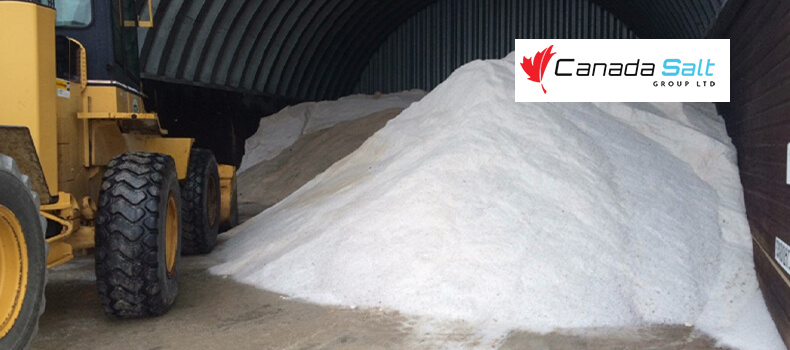
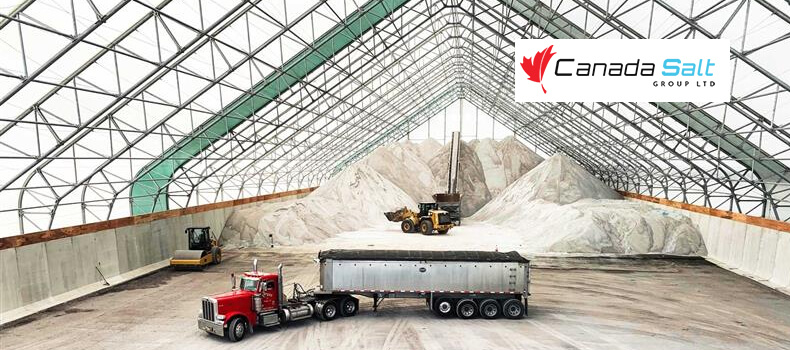
Bulk salt storage presents various challenges, including weather exposure and logistics. For warehouses, it is essential to have sealed floors, drainage, and humidity control. If stored outdoors, it needs to be covered with a tarp and protected with barriers to prevent runoff. But, outdoors, it is not recommended to store for longer periods. If it is deicing salt, there should be covered sheds or domes to protect the salt from rain or snow.
Regular inspections and cleanups will prevent salt contamination and loss.
Preventing Contamination in Salt Storage
You cannot always see the contamination. So, prevention is the key.
Biological Contamination
Pests, insects and rodents are commonly attracted to the storage areas. Salt isn’t food for them, but they can be contaminated by their droppings and living in that salt storage. Regular inspections and cleaning are important.
Chemical Contamination
Storing salt near chemicals, fuels, and cleaners is a big No, as it easily absorbs odours and fumes. Always store hazardous materials away from the salt storage.
Cross-contamination Prevention
Do not use the same scoops and containers for other materials in kitchens and other food facilities. Use dedicated ones to reduce the risk of allergies and contamination.
Managing Bulk Salt to Minimize Loss
Managing bulk salt is all about staying organized and planning ahead. Implement the FIFO method to prevent long-term storage issues and reduce waste. Frequent inventory checks will identify issues such as moisture or container damage before they lead to costly losses.
Sustainable Salt Storage and Waste Reduction
Sustainability comes with smart storage. Using reusable containers, buying the right quantity, and avoiding salt contamination will reduce waste. Avoid single-use packaging and use sturdy containers. Providing staff training on bulk salt storage practices will make a significant difference over the long term. Buying and using salt wisely will help you treat it as a valuable resource rather than a disposable commodity.
Common Salt Storage Mistakes and How to Avoid Them
Some mistakes show up again and again:
- Storing salt in open or poorly sealed containers
- Keeping salt near moisture or heat sources
- Using wet utensils
- Mixing food-grade and non-food-grade salt
- Ignoring FIFO
With awareness and consistency, you can avoid these mistakes without any effort.
Smarter Salt Storage for a Cleaner, Safer Future
Salt is a basic product, but proper storage is essential. You can reduce waste, maintain quality, and save money by following the key points mentioned above. Whether you are managing a home kitchen or a bulk salt storage, the common rule of keeping it dry, clean and organized applies to all. Understanding the behaviour of the salt lets you prevent loss before it happens. At Canada Salt Group Ltd, we provide high-quality bulk salt solutions and expert guidance to help you reduce loss and store with confidence. Contact us today for a free quote.