
The Role of Salt in Chemical Manufacturing
Salt can seem like a simple household commodity that lies on the dining table or inside the kitchen. But it is linked with the entire chemical ecosystem. From plastics, detergents, pharmaceuticals and water purification systems, there are many modern products that are associated with that one basic ingredient: salt. Chemical manufacturers around the world highly rely on industrial-grade salt as it is one of the important raw materials in the chemical manufacturing process. Without this valuable commodity, many industries that our society depends on would be slowed down or stop functioning. In this article, we will look into the role of salt in chemical manufacturing in detail. Let’s get started!
What is Industrial Salt?
Industrial salt is different from the table salt we place on the dining tables or use in the kitchen. It is produced in large quantities from sources like underground salt deposits, seawater and natural brine. They are processed and improved in purity to meet the industrial standards before being sent for chemical production.
An interesting thing is that most of us do not realize how important salt is in daily life. It is used in almost every product that we use daily, including toothpaste, soaps, PVC pipes, medicines, paints and clean drinking water. These products are made possible as salt is the key ingredient in many chemical manufacturing processes. In many ways, salt acts as a key ingredient in chemical manufacturing, helping the factories to operate efficiently.
Understanding Industrial Salt and Its Importance
Industrial salt is quite different from the table salt we use for culinary purposes. Manufacturing plants use it as it contains sodium and chloride, which can be separated and turned into useful chemicals. These chemicals are used to make detergents, plastic, medicines and water treatment solutions. As it is affordable, widely available and versatile, industrial salt is considered one of the valuable raw materials in the manufacturing industry.
Types of Industrial Salts
Depending on the manufacturing process, different types of industrial salts are used. They are:
- Rock Salt: It is obtained from the underground deposits and is commonly used in large-scale industrial uses because it is quite inexpensive.
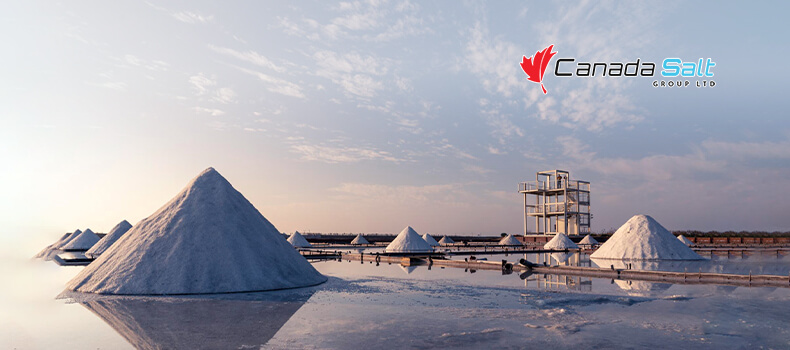
- Solar Salt: Produced from an evaporation process in which seawater is evaporated using sunlight and wind, which makes it an eco-friendly approach in certain regions.
- Vacuum Salt: It is produced by an advanced purification method and sent to the industries which need high-purity salt, like pharmaceuticals and specialty chemicals.
According to recent studies, rock salt accounts for more than half of the global industrial salt market because of its affordability and availability. Industries highly depend on salt as its chemistry is adaptable. When it is dissolved and processed through electrolysis, it produces substances like chlorine, caustic soda and hydrogen, which are useful products in thousands of industrial applications.
The Global Industrial Salt Market
The industrial salt market has evolved into one of the major global industries due to the demand from many sectors like chemical processing, water treatment, pharma and manufacturing industries. As the industries continue to expand, the need for industrial salt is also expected.
The Asia Pacific region is the largest consumer and producer of industrial salt. Countries like China and India are investing more in various industries that depend on chemicals produced from the industrial salt.
North America and Europe also play an important role in the industrial salt market. But manufacturers face challenges like an increase in prices and strict environmental regulations. So, most of the companies are focused on efficient and sustainable ways to manage the production process.
How Salt is Used in the Chemical Industry
Salt is a valuable commodity used in the chemical industry due to its ability to convert into useful chemicals. One important process is electrolysis. In this process, chlorine, hydrogen and sodium hydroxide are formed. These chemicals are building blocks of various products in multiple industries.
Manufacturers create a brine solution by dissolving salt into purified water. This brine is processed to remove the impurities like calcium, magnesium and other minor impurities that damage the equipment and reduce the quality of the products. After the purification process, the brine undergoes electrolysis, in which a chemical separation process happens. Salt-based chemistry gives the flexibility for manufacturers to meet the changing market requirements.
Chlor-Alkali Industry and Salt
The name Chlor-alkali stands for two main products, chlorine and caustic soda. Chlor-alkali is one of the largest industrial salt users and plays a major role in the chemical manufacturing process. In this industry, large amounts of industrial salt are used to produce chemicals that are used in our everyday products and industrial processes.
In chlor-alkali plants, purified brine solution is sent through specialized cell membranes, and electricity is passed through the brine. During this process, chlorine is formed at one side, and hydrogen is formed at another electrode, and sodium hydroxide remains at the bottom of the solution. Due to the advancement of technology and environmental concerns, this process has been refined, especially with modern membrane cell technology.
Applications of Salt-based Chemicals
Salt-derived chemicals appear in nearly every corner of modern life, often in ways people never notice.
- Chlorine produced from the industrial salt has various applications like manufacturing of PVC pipes, medical equipment, paints, solvents, pesticides and disinfectants.
- Municipalities use chlorine in water treatment systems to remove dangerous microorganisms and maintain public health standards.
- Caustic soda is used in the manufacturing of soaps, textiles, paper, aluminum and petroleum processing.
- Hydrogen is one of the cleaner energy alternatives used by various industries for fuel applications and industrial heating.
- Sodium hydroxide is used in the production of medicines in the pharma industry. Various IV fluids and other health care products are made by using industrial-grade salt.
- Industrial salt remains strong as its chemicals are used in various industries, even during economic uncertainty. These sectors depend on salt-based products to maintain a steady demand.
Salt in Sustainable Chemical Manufacturing
Manufacturers are mainly focusing on sustainability when it comes to chemical manufacturing. In the traditional salt extraction process, there are various concerns like disruption of habitat, groundwater impact and energy consumption. Due to these issues, manufacturers are focusing more on clean technologies and responsible production systems to maintain eco-friendly industrial output.
These days, solar evaporation has been an eco-friendly approach for the salt production method. So apart from depending on the mechanical method of salt extraction, companies are depending on the solar evaporation process to reduce energy consumption and greenhouse gas emissions.
Chemical manufacturers are focusing on improving the efficiency of chlor-alkali plants by using modern cell membrane technology that uses less electricity and produces fewer emissions. Most of the industries are relying on solar and wind power to reduce environmental impact and support sustainability. Some industrial processes recover salt from the waste and reuse it in the form of recycling or circular economy practices.
In most countries, environmental regulations will make companies choose sustainable practices. Municipalities are implementing strict rules on emissions, wastewater management and energy use. So, manufacturers are investing in cleaner technologies and improving efficiency to meet environmental goals.
Challenges Facing the Salt Industry
Despite its importance, the industrial salt sector faces several major challenges that could influence future growth.
- One significant issue involves energy costs. Chlor-alkali production consumes large amounts of electricity, meaning rising energy prices can dramatically affect profitability.
- Environmental concerns also affect industry decisions. Salt mining and brine extraction can affect local ecosystems if not managed carefully.
- Excessive groundwater extraction can cause damage to the surrounding habitats. Improper disposal of wastewater can increase salinity levels in nearby water sources.
- Supply chain disruptions are another challenge.
- Shipping delays, fuel price fluctuations, and geopolitical tensions can all influence supply stability.
- Increase in the competition within the market
- Growing pressure to decarbonize chemical manufacturing operations.
Future Opportunities for Salt in Chemicals
The future of salt in chemical manufacturing processes is bright. Latest technologies, clean energy initiatives and industrial growth create additional opportunities for salt-based products.
Hydrogen production from chlor-alkali processes, advancements in energy storage, and the development of sodium-based battery technologies can increase the importance of industrial salt. Also, there is a high demand from regions like the Asia-Pacific, along with the adoption of automation, artificial intelligence and digital technologies in chemical plants, which is improving the efficiency and production capabilities.
Despite being one of the oldest natural resources, salt plays a major role in modern chemical manufacturing and industrial development by maintaining sustainability.
Conclusion
Salt can seem like a simple ingredient, but it is the main ingredient in the chemical manufacturing process in the world. From the Chlor-alkali process and water treatment to pharmaceuticals and plastics, salt plays a major role in processes that support modern life.
Whether you are dealing with chemical manufacturing, water treatment, pharmaceuticals, or industrial processing, you need to have high-quality salt for maintaining efficiency and product quality. At Canada Salt Group Ltd. We are committed to providing reliable bulk salt solutions to support the evolving needs of modern industries. Contact us today for a free quote!
FAQs
1. Why is salt important in chemical manufacturing?
Salt is important because it acts as a raw material for producing chlorine, caustic soda, and hydrogen through electrolysis. These chemicals are essential for manufacturing plastics, detergents, pharmaceuticals, textiles, and water treatment products.
2. What is the chlor-alkali process?
The chlor-alkali process is an industrial method that uses electricity to separate saltwater brine into chlorine gas, sodium hydroxide, and hydrogen gas. It is one of the largest industrial applications of salt worldwide.
3. Which industries use salt-derived chemicals the most?
Major industries include plastics manufacturing, water treatment, pharmaceuticals, paper production, textiles, detergents, and construction materials.
4. Is industrial salt different from table salt?
Yes. Industrial salt is generally less refined and produced specifically for manufacturing applications. It may contain different purity levels depending on industrial requirements.
5. What is the future of salt in chemical manufacturing?
The future looks strong due to increasing demand for hydrogen production, sustainable chemicals, water treatment solutions, and industrial growth in emerging economies. Cleaner production technologies are also creating new opportunities for the salt industry.