

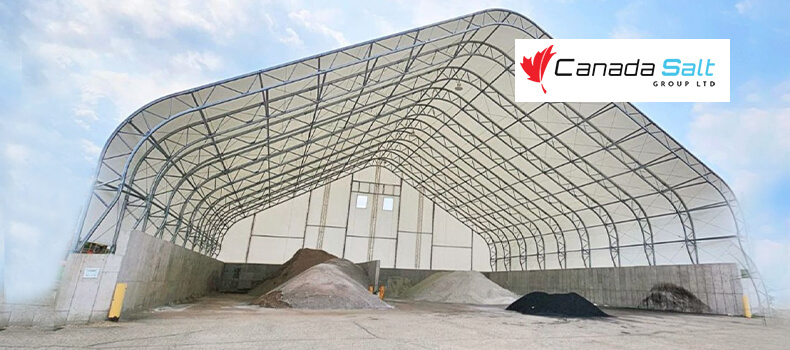
Bulk Road Salt Distribution Building: Powerful Guide with Expert Design Strategies
A bulk road salt distribution building is important for safe and efficient winter road maintenance. When winter arrives, people depend on well-stored and distributed salt to de-ice roads and parking lots. Without a proper storage and distribution system, work can become slow and inefficient, leading to issues. These distribution units are beyond storage facilities. They are built to protect the salt from moisture, maintain its quality, and ensure quick loading and unloading during extreme weather conditions. In this article, we will explore in detail the process of building a bulk road salt distribution facility so you can make informed decisions.
What Is a Bulk Road Salt Distribution Building?
Purpose and Function
A salt distribution building is a storage unit used to hold large quantities of rock salt. Its purpose is to keep the salt dry and accessible and to maintain its effectiveness when applied to the surface. When salt comes into contact with water, it can cause clumping and lose its effectiveness. To prevent such cases, these buildings are designed to provide a controlled environment for salt. Distribution buildings also ensure safe loading and unloading, which is important during peak winter operations.
Key Components
The building consists of various components that work together to store and manage salt. The building is designed with high walls and a wider opening to facilitate the entry of trucks and heavy machinery. The floor is designed to handle the weight of salt piles and heavy equipment. The building is equipped with proper ventilation and drainage systems to maintain humidity levels and reduce contamination.
Importance of Salt Distribution Infrastructure
Role in Winter Maintenance
During winter operations, bulk salt distribution buildings play a key role. These units ensure that salt is available whenever needed, which is important given unpredictable weather. If there are delays in getting the salt, the roads can be unsafe and prone to accidents. Crews can respond quickly and cover vast areas more quickly. These preparations are important for maintaining safety and reducing problems caused by snow and ice.
Operational Efficiency
Another major benefit of having a salt distribution building is improved operational efficiency. Maintaining all salt stock at a single location ensures smoother operations without delays. The vehicles can be loaded easily, and the crew can complete their tasks effectively without any hassle. Proper infrastructure also helps reduce contamination and environmental exposure, saving you money in the long run.
Types of Bulk Salt Storage Buildings
Dome Structures
Dome structures are one of the most popular designs for bulk road salt distribution buildings. These buildings feature a circular shape with a curved roof, which helps shed rain and snow effectively. The design also provides excellent structural strength, making it suitable for storing large quantities of salt.
Domes are among the most commonly preferred structures for storing bulk road salt distribution buildings. The dome’s curved roof helps shed rain and snow. Due to the design, you can store large quantities of salt in it. Domes are durable and need less maintenance. Their design ensures that salt is dry even in harsh conditions.
Barn-style Storage
Similar to domes, barn-style buildings are a go-to option for storing bulk salt. They are rectangular in shape with a sloped roof, which is cost-effective when compared to domes. These are commonly chosen for smaller operations. Compared to domes, barn-style buildings aren’t as durable, but when properly designed and maintained, they can provide adequate protection.
Fabric Structures
Fabric structures are modern salt storage spaces that are made with metal frames and a fabric membrane. These can be set up easily and cost less than domes or barn-style buildings. They are lightweight and provide the best protection for the bulk salt. However, they still need regular maintenance to last long.
Design Considerations for Salt Storage Facilities
Capacity Planning
Determining the appropriate storage capacity is important when designing a bulk road salt distribution building. There are many factors, such as area size, average snowfall, and salt application frequency, that need to be considered when determining storage capacity. This planning is important to ensure that enough salt is available throughout the season.
Site Selection
Choosing the right location for the distribution building is important. It should be accessible to vehicles and to areas with higher salt usage. In this way, you can reduce transportation and improve overall efficiency.
Drainage and Environmental Controls
Prevent water accumulation in the distribution building by ensuring an effective drainage system. If there is no drainage system, water can seep into the salt pile, leading to clumping and difficulty spreading. Environmental controls, such as barriers and containment systems, are required to prevent salt from spreading into the environment and nearby water sources.
Materials Used in Salt Distribution Buildings
Corrosion-resistant Materials
The materials used in the distribution building should be selected carefully to prevent corrosion. Corrosion-resistant metals and treated wood are available on the market and can be used to extend the building’s lifespan. So, it is important to use the right materials to reduce the maintenance cost and ensure long-term durability.
Flooring and Base Systems
As discussed above, the flooring must be strong to withstand the weight of the salt piles and the equipment. Most people prefer concrete for its durability and strength. Sometimes, a protective covering is used to prevent the damage caused by salt.
Storage, Loading and Distribution
Keeping the salt covered and protected is essential to maintain its quality. Usually, salt is stored in large piles in the distribution building. Storing in these shapes ensures that there is enough space for the loaders and other vehicles to access the salt. The distribution is carried out through large equipment to load salt into the spreaders. These trucks will utilize that salt to de-ice the roads and parking lots.
Equipment Used in Salt Distribution Buildings
- Conveyors
- Front-end loaders
- Trucks
- spreaders
Cost of Building a Bulk Salt Storage Facility
The construction of a bulk salt distribution building depends on various factors, such as size, materials, and design. Domes are considered more expensive than any other structures, but they are durable. The operational costs include labour, maintenance, and equipment. When properly planned, you can greatly reduce the expenses.
Maintenance of Salt Distribution Buildings
Regular inspections and preventive maintenance are important for detecting potential issues and addressing them early. These include structural damage, proper functioning of the drainage system, and ventilation. This approach helps us to detect issues early before they become expensive repairs.
Safety and Environmental Considerations
Safety is the priority for any bulk road salt distribution building. The crew must be trained to safely operate the equipment, reduce environmental impacts, and wear protective gear when handling salt. Maintaining ample lighting, space and clean pathways will ensure there is no risk of accidents. Ensure the storage facility complies with local regulations to ensure safe, responsible operations.
Conclusion
A bulk road salt distribution building is an essential investment for any organization involved in winter maintenance. It ensures efficient storage, protects materials, and supports rapid, efficient distribution. With better planning and maintenance, these units can give long-term value and reliability.
Maintain your winter operations safe and efficient with high-quality bulk road salt from Canada Salt Group Ltd. Whether you need a reliable salt supply, storage solution, or support guidance, we are here for you! Contact us today for a free quote!
FAQs
1. What is a bulk road salt distribution building used for?
It is used to store and distribute salt for de-icing roads and parking lots during winter.
2. What type of building is best for salt storage?
Dome structures are often considered the most durable and efficient option.
3. How do you prevent salt from clumping?
Keeping it dry and using proper storage techniques helps prevent clumping.
4. Is salt storage harmful to the environment?
It can be if not managed properly, especially due to runoff.
5. How much does it cost to build a salt storage facility?
Costs vary depending on size and materials, ranging from moderate to high.
6. What equipment is used in salt distribution?
Common equipment includes loaders, conveyors, trucks, and spreaders.